
 Nashville, Murfreesboro, Knoxville and Chattanooga TN
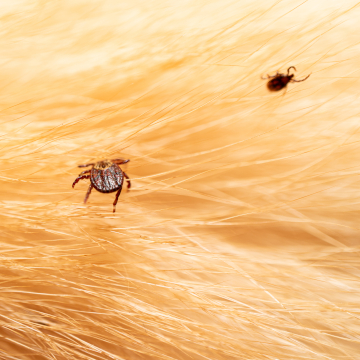
Spending time outside is one of the best parts of living in Tennessee. Unfortunately, your backyard can also be home to ticks — including the Lone Star tick, an aggressive tick species associated with several health concerns, including alpha-gal syndrome.
For homeowners throughout Nashville, Murfreesboro, Knoxville, and Chattanooga, understanding the risks associated with ticks is another reason to take tick prevention around your property seriously.
What Is Alpha-Gal Syndrome?
Alpha-gal syndrome, commonly called AGS or sometimes referred to as a “red meat allergy,” is a potentially serious allergy that can develop following certain tick bites.
Alpha-gal is a sugar molecule naturally found in most mammals. According to the CDC, a tick bite can introduce alpha-gal into the human body and trigger an immune response. After developing AGS, a person may experience an allergic reaction after consuming certain mammalian meats or being exposed to other products containing alpha-gal.
Unlike a typical food allergy that begins during childhood, alpha-gal syndrome can develop in people who previously ate foods such as beef, pork, or lamb without a problem.
Symptoms can vary from person to person and may include:
- Hives or itching
- Swelling
- Nausea or vomiting
- Abdominal pain
- Diarrhea
- Difficulty breathing
- Dizziness
- A severe allergic reaction known as anaphylaxis
Anyone who suspects they may have alpha-gal syndrome should speak with a qualified healthcare professional for testing, diagnosis, and treatment.
What Does the Lone Star Tick Have to Do With Alpha-Gal Syndrome?
In the United States, the Lone Star tick is the tick most often associated with alpha-gal syndrome.
Lone Star ticks are common throughout the eastern and southeastern United States, making them particularly relevant for Tennessee homeowners. Adult female Lone Star ticks are relatively easy to recognize because of the noticeable white spot located on their backs.
But their appearance isn’t the only thing that sets them apart.
Lone Star ticks are considered aggressive ticks and actively seek hosts to feed on. They may encounter people and pets in wooded or brushy areas, along property lines, in tall grass, and even in residential yards.
That means you don’t necessarily have to spend a weekend hiking through the Tennessee wilderness to encounter a tick. Exposure can happen much closer to home.
Can You Get a Lone Star Tick in Your Own Backyard?
Yes.
Ticks thrive in environments that provide vegetation, moisture, shade, wildlife, and potential hosts.
Depending on the property, that can include:
- Tall grass
- Leaf piles and leaf litter
- Brush
- Wooded property lines
- Overgrown landscaping
- Areas frequently visited by deer and wildlife
- Shaded areas around shrubs and vegetation
- Spaces where pets spend time outdoors
Even a well-maintained yard can experience tick activity, particularly when the property borders wooded or natural areas.
This is why tick control for your yard can be an important part of a broader prevention strategy.
Why Professional Tick Yard Treatments Matter
You may think of pest control as something you need when ants enter the kitchen or spiders start appearing inside the house.
Ticks are different.
Reducing tick populations outside your home can help reduce the opportunities for people and pets to come into contact with them in the first place.
Professional tick yard treatments are designed to target areas where ticks are likely to live, hide, and travel. Depending on the property, those areas may include landscaping, shaded vegetation, lawn edges, transition areas between grass and woods, and other potential tick habitats.
The CDC notes that pesticide applications can reduce the number of ticks in treated areas of a yard. However, yard treatments should be used as part of a comprehensive tick-prevention strategy rather than as the only precaution.
Tick Prevention Starts Before the Bite
When it comes to alpha-gal syndrome and other tick-related health concerns, prevention matters.
The CDC recommends taking several steps to reduce tick exposure, including using EPA-registered insect repellents, checking yourself for ticks after spending time outside, showering after outdoor activities, and maintaining your property to make it less attractive to ticks.
Around your home, simple changes can also help:
- Keep grass regularly mowed.
- Remove excessive leaf litter.
- Clear tall weeds and brush.
- Reduce dense vegetation near frequently used areas.
- Keep recreational areas away from heavily wooded edges when possible.
- Check children and pets for ticks after outdoor time.
- Consider professional tick treatments for areas where ticks are likely to be present.
Professional pest control can complement these everyday precautions by reducing tick activity around the areas where your family spends time.
Why Tick Control Is Especially Important for Tennessee Homes
Tennessee’s combination of wooded areas, wildlife, vegetation, and warm seasons creates plenty of opportunities for people to encounter ticks.
The Tennessee Department of Health lists the Lone Star tick among the tick species found in the state and identifies alpha-gal syndrome among the conditions associated with this species.
For families who spend spring, summer, and fall grilling outside, playing in the backyard, gardening, walking pets, or enjoying their property, proactive tick prevention can help make those outdoor spaces more comfortable.
You shouldn’t have to stop enjoying your backyard because you’re worried about what’s hiding in the grass.
Don’t Wait Until You Find a Tick
Finding a tick on yourself, your child, or your pet is often what makes homeowners start thinking about tick control — but prevention can begin before that happens.
A professional pest control technician can evaluate your property, identify areas where ticks and other pests may be more likely to thrive, and recommend a treatment approach based on your home’s specific needs.
At Ameri Care Services Pest Control, we help Tennessee homeowners take a proactive approach to pest management and outdoor pest concerns.
If you’re concerned about Lone Star ticks or want to reduce tick activity around your property, contact our team to learn more about professional yard treatment options.
Schedule Tick Control in Tennessee
Protect the spaces where your family spends time outdoors.
Ameri Care Services Pest Control proudly serves homeowners in Nashville, Murfreesboro, Knoxville, Chattanooga, and surrounding Tennessee communities.
Call (615) 893-7111 today to learn more about professional tick and pest control services and schedule an evaluation for your property.