
 Nashville, Murfreesboro, Knoxville and Chattanooga TN
As summer fades and cooler weather settles across Tennessee, homeowners may notice something unusual happening around their windows, siding, and exterior doors: clusters of insects gathering on the house.
While these bugs might seem harmless at first, their sudden appearance is often connected to seasonal changes. Certain insects begin searching for protected places to spend the colder months, and residential homes can provide the shelter they’re looking for.
Throughout Nashville, Murfreesboro, Knoxville, Chattanooga, and surrounding Tennessee communities, three insects are particularly well-known for showing up around homes during fall: stink bugs, Asian lady beetles, and boxelder bugs.
Although these pests generally aren’t associated with serious structural damage, they can become a frustrating seasonal problem when large numbers find their way indoors.
Understanding what attracts them, how to recognize them, and what you can do to prevent them is an important part of fall pest control in Tennessee.
Why Do Certain Bugs Appear Around Homes Every Fall?
Not every insect responds to seasonal temperature changes in the same way.
Some species remain active outdoors, while others enter a period of reduced activity to survive colder conditions. For certain insects, this process involves finding sheltered spaces where they can spend the winter.
This behavior is known as overwintering.
During sunny autumn afternoons, overwintering insects may collect on exterior walls that absorb heat throughout the day. Once they’ve gathered around a building, small openings near windows, siding, and rooflines can provide access to protected interior spaces.
Attics, wall cavities, and other undisturbed areas offer hiding places where insects may remain for months.
You might not notice them again until a particularly warm winter afternoon, when changing temperatures encourage them to become active.
This is why fall pest prevention is most effective before insects begin moving into buildings.
1. Brown Marmorated Stink Bugs: The Unwelcome Houseguests
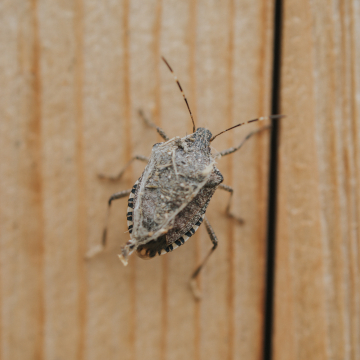
Brown marmorated stink bugs are recognizable by their broad, shield-shaped bodies and mottled brown coloring. Their antennae and the edges of their abdomens have alternating light and dark markings.
These insects are frequently noticed on exterior walls, window screens, and around door frames during the fall.
Why Stink Bugs Enter Tennessee Homes
As temperatures decline, stink bugs look for sheltered areas where they can survive winter. Small cracks and openings around a home’s exterior provide access to attics, wall spaces, and other protected locations.
Unlike pests that enter homes to feed on household materials, stink bugs generally use buildings as temporary winter shelter.
They typically don’t reproduce inside homes during this period or cause structural damage.
However, their presence can still be unpleasant.
Stink bugs are named for the distinctive odor they release when disturbed or crushed. Finding several indoors can be especially frustrating when they appear around windows, ceilings, or living areas.
How to Handle Stink Bugs Indoors
Avoid crushing stink bugs against walls, furniture, or other surfaces.
Instead, gently collect them or use a vacuum to remove them. Empty the vacuum contents into a sealed bag and dispose of it outside.
To reduce future activity, focus on closing exterior openings before insects have an opportunity to enter.
2. Asian Lady Beetles: The Lookalikes That Gather in Large Numbers
At first glance, Asian lady beetles can resemble the familiar ladybugs many people associate with gardens.
However, these insects have characteristics and seasonal behaviors that can make them a nuisance for Tennessee homeowners.
How to Identify Asian Lady Beetles
Asian lady beetles can appear yellow, orange, or red, and the number of dark spots on their wing covers varies.
One distinguishing feature is a dark marking behind the head that sometimes resembles the letter M or W.
During warmer months, these beetles feed on other insects outdoors. As fall arrives, they begin searching for protected locations to spend the winter.
Why They Become a Fall Pest Problem
Asian lady beetles may gather in noticeable groups on sunlit exterior walls, particularly on buildings that receive afternoon sunlight.
From there, they can enter through narrow gaps around windows, trim, and siding.
Once indoors, they may remain hidden for long periods before appearing near light fixtures or windows.
Although Asian lady beetles don’t feed on wood or damage a home’s structure, they can release a yellowish defensive fluid when disturbed. This substance has an unpleasant smell and may leave stains on certain surfaces.
Some people may also experience minor bites or allergic reactions when exposed to these insects.
Preventing Asian Lady Beetles
The best approach is to limit their access to the home before they begin congregating in large numbers.
Inspect window seals, repair damaged screens, and check for gaps around exterior trim.
If beetles are already inside, vacuuming is generally preferable to crushing them.
3. Boxelder Bugs: The Red and Black Insects Around Your Home
Boxelder bugs are another seasonal insect that Tennessee homeowners may encounter during fall.
These insects are often associated with boxelder trees and certain maple species, where they feed during warmer months.
As temperatures cool, they may leave these outdoor habitats and begin collecting on nearby buildings.
What Do Boxelder Bugs Look Like?
Adult boxelder bugs have elongated, dark bodies with distinctive red or orange markings along their wings and behind their heads.
Their contrasting colors make them relatively easy to recognize, especially when multiple insects gather together.
Are Boxelder Bugs Harmful?
Boxelder bugs are primarily nuisance pests.
They don’t typically damage residential structures or reproduce inside homes during winter.
However, large groups can become bothersome, particularly when insects move from hidden spaces into living areas.
Crushing boxelder bugs can also leave reddish stains on fabrics and surfaces.
Keeping Boxelder Bugs Outside
Inspect exterior walls for openings, especially around windows, doors, siding, and roof edges.
Removing excessive debris near the foundation and maintaining exterior seals can help reduce potential entry opportunities.
When boxelder bugs appear indoors, remove them carefully with a vacuum rather than crushing them.
Do Fall-Invading Bugs Cause Damage to Tennessee Homes?
One of the most common concerns homeowners have is whether these insects can harm their property.
Fortunately, stink bugs, Asian lady beetles, and boxelder bugs are generally considered nuisance pests rather than structural threats.
Unlike termites or certain wood-destroying insects, these fall invaders don’t typically damage the structural materials of a home.
However, that doesn’t mean homeowners should ignore them.
Large numbers can create uncomfortable living conditions, leave behind odors or stains, and become a recurring seasonal frustration.
Asian lady beetles may occasionally bite, and sensitive individuals can experience allergic reactions.
The primary goal of prevention is to keep these insects from entering and becoming established in protected spaces throughout the colder months.
How to Stop Fall Invaders Before They Enter Your Home
Because these insects often hide in areas that are difficult to access, prevention is generally easier than dealing with them after they’ve moved inside.
Here are several practical steps Tennessee homeowners can take.
Inspect Windows and Exterior Doors
Check for worn weatherstripping, damaged screens, and small gaps around window frames.
Replace deteriorating seals and consider installing door sweeps where visible openings are present.
Seal Exterior Cracks and Openings
Look for gaps around siding, utility connections, and areas where different building materials meet.
Use appropriate exterior sealants to close small openings and repair damaged materials where necessary.
Check Rooflines and Attic Areas
Openings around soffits, fascia boards, roof edges, and attic vents may allow insects to enter.
Repair damaged screening while maintaining proper ventilation.
Keep the Foundation Area Maintained
Remove unnecessary debris, trim vegetation growing against exterior walls, and avoid leaving stored materials directly against the house.
These steps can help reduce sheltered areas around the property and make exterior inspections easier.
Act Before Temperatures Drop
Timing matters when preventing overwintering insects.
Once these bugs have entered wall cavities or attic spaces, they may be difficult to reach.
Taking preventive action in late summer or early fall can help reduce the number that make their way indoors.
What Should You Do If Fall Invaders Are Already Inside?
Discovering insects inside your home doesn’t necessarily mean you have a serious infestation.
An occasional stink bug or boxelder bug may simply have found its way through an open door or an unnoticed gap.
However, repeated appearances or large numbers can suggest that insects are sheltering within the building.
For insects you can see, vacuuming is often an effective removal method. Dispose of collected insects promptly to minimize odors.
Avoid indiscriminately spraying household insecticides inside wall cavities or around living spaces. Treatments that don’t address the actual entry points may provide limited results and can introduce unnecessary exposure risks.
If insects continue appearing throughout the season, professional pest control guidance can help determine which prevention or treatment measures are appropriate.
When Is Professional Fall Pest Control Worth Considering?
Some seasonal insect problems can be managed through basic home maintenance, but recurring activity may require a more targeted approach.
Consider professional assistance if:
- Large groups of insects repeatedly gather on your exterior walls
- Stink bugs, Asian lady beetles, or boxelder bugs appear indoors every fall
- Insects are emerging from multiple rooms or hidden spaces
- You’re unable to locate the openings pests are using
- Exterior access points are difficult or unsafe to inspect
- Previous prevention efforts haven’t reduced the problem
A professional pest evaluation can help identify the insects involved, locate potential entry points, and determine whether additional pest management measures are appropriate.
For certain overwintering insects, properly timed exterior treatments may help reduce activity before they enter buildings. Treatment recommendations depend on the species, location, and conditions of the property.
Protect Your Tennessee Home From Fall Invaders With Ameri Care Services Pest Control
Fall should be a time to enjoy cooler weather, not deal with unwanted insects gathering around your windows and doors.
Although stink bugs, Asian lady beetles, and boxelder bugs are generally nuisance pests, keeping them outside can make your home more comfortable throughout the colder months.
Early prevention, regular exterior maintenance, and timely pest management can help reduce recurring seasonal problems.
At Ameri Care Services Pest Control, we help Tennessee homeowners address unwanted pest activity and explore practical ways to protect their properties.
Whether you’ve noticed insects collecting around your home or you’re dealing with recurring fall pest problems, we’re here to help you determine the next steps.
We serve Nashville, Murfreesboro, Knoxville, Chattanooga, and surrounding Tennessee communities.
Get ahead of fall invaders before they settle in for winter. Call Ameri Care Services Pest Control at (615) 893-7111 to discuss your pest control needs.