
 Nashville, Murfreesboro, Knoxville and Chattanooga TN
Your home is your sanctuary, but it can also attract uninvited wildlife, especially in hidden, vulnerable areas like the crawl space. These dark, quiet spaces beneath your house offer shelter and warmth that many animals seek during colder months or harsh weather. Unfortunately, wildlife in your crawl space can lead to costly damage, health risks, and unwanted messes.
If you live in Nashville, Murfreesboro, Knoxville, or Chattanooga, it’s important to know which critters commonly invade crawl spaces and how to prevent them.
Common Crawl Space Wildlife Intruders and How to Stop Them
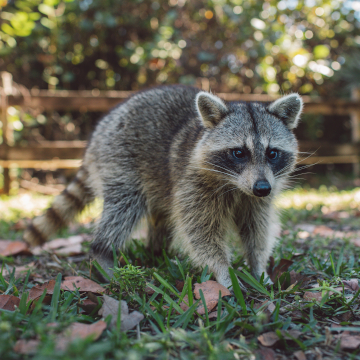
1. Raccoons
Raccoons are clever and strong, able to tear through weak vents or damaged crawl space access points. Once inside, they can damage insulation, chew through ducts, and leave behind droppings that carry parasites and diseases.
Signs to watch for:
- Loud noises or thumping sounds, especially at night
- Torn insulation or ductwork
- Strong, unpleasant odors
How to prevent raccoon entry:
- Secure all crawl space doors and vents with durable screens
- Regularly inspect for damaged or loose openings
- Install raccoon-proof barriers on vents
2. Opossums
These nocturnal animals often hide in crawl spaces. While generally non-aggressive, their droppings and urine can contaminate your home environment. They may also damage insulation as they try to stay warm.
Signs of opossum presence:
- Scratching noises after dark
- Foul smells from waste
- Disrupted insulation or nesting materials
Prevention tips:
- Seal gaps and broken screens around your foundation
- Remove debris and wood piles that attract wildlife
- Block any openings with sturdy materials
3. Mice and Rats
Rodents are among the most frequent crawl space invaders. They squeeze through tiny cracks and chew on wires, insulation, and pipes, creating fire hazards and structural damage. Their rapid breeding can quickly escalate the problem.
Common signs:
- Scratching or scurrying sounds inside walls or floors
- Droppings near entry points
- Chewed materials like wiring or insulation
How to keep rodents out:
- Seal all cracks, gaps, and holes around your foundation and vents
- Use rodent-proof materials like steel mesh to block entry
- Keep crawl spaces dry and clean to deter rodents
4. Snakes
Snakes may seek warmth or prey like rodents in crawl spaces. While many snakes in Tennessee are harmless, species like copperheads or rattlesnakes can pose a danger.
Look for:
- Shed snake skins
- Slithering sounds near the foundation
- Unusual droppings
Preventive steps:
- Eliminate rodent populations to remove food sources
- Seal holes and gaps around the crawl space
- Use natural snake repellents or barriers
5. Skunks
Skunks sometimes make dens under homes, especially during colder seasons. Aside from their notorious odor, skunks dig near foundations and carry diseases like rabies.
Signs of skunk activity:
- Strong, pungent smell
- Digging or holes near the foundation
- Tracks or fur near entryways
Keep skunks away by:
- Securing crawl space openings with metal mesh
- Removing food sources such as pet food or trash
- Installing motion-activated lights near crawl spaces
6. Squirrels
Though more common in attics, squirrels occasionally invade crawl spaces. They chew through wood, insulation, and wiring, risking costly damage.
Signs to detect squirrels:
- Daytime scratching or scampering sounds
- Chewed wires or insulation
- Nesting materials or food remnants
Prevention methods:
- Repair damaged crawl space doors and screens
- Trim tree branches close to your home
- Use natural deterrents like peppermint oil or ultrasonic devices
7. Bats
Bats sometimes roost in crawl spaces. While they help control insect populations, their droppings (guano) can harbor fungal spores linked to respiratory diseases.
Signs of bats:
- High-pitched squeaking sounds
- Dark stains or droppings near entry points
- Guano accumulation
How to protect your home:
- Install bat-proof screens over vents
- Use one-way exclusion devices to let bats exit but not return
- Seal cracks and gaps around your foundation
8. Insects and Spiders
Crawl spaces can also harbor termites, carpenter ants, and venomous spiders like black widows or brown recluses. These pests damage wood and pose health risks.
Signs to watch for:
- Mud tubes on wood (termites)
- Sawdust-like piles near wood structures
- Spider webs and egg sacs
Prevention:
- Keep crawl space dry and well-ventilated to discourage insects
- Use pest control treatments when necessary
- Regularly inspect and address infestations early
How to Protect Your Crawl Space from Wildlife Intruders
- Install sturdy barriers over all vents and openings to block access
- Seal all gaps, cracks, and holes around your foundation and crawl space doors
- Maintain a clean perimeter by removing debris, firewood, and clutter near your home
- Schedule regular inspections to detect early signs of wildlife intrusion
- Call wildlife control professionals for safe, humane removal if you suspect an infestation
Final Thoughts: Keep Your Tennessee Home Safe and Sound
Wildlife in crawl spaces is a common problem across Nashville, Murfreesboro, Knoxville, and Chattanooga. Left unchecked, these intruders can cause costly damage and pose health hazards for your family. Taking proactive steps to seal and maintain your crawl space will protect your home’s foundation and indoor environment.
Stay vigilant, maintain your crawl space, and don’t hesitate to seek professional help to keep your home free from unwanted wildlife.
If you want help inspecting or securing your crawl space, contact local experts who specialize in foundation and crawl space care to protect your home year-round.