
 Nashville, Murfreesboro, Knoxville and Chattanooga TN
A day spent hiking, gardening, or enjoying your backyard in Middle Tennessee can quickly become concerning if you discover a tick attached to your skin. One of the most common ticks in our region is the Lone Star tick, a species known for its aggressive behavior and potential health risks.
While not every tick bite results in illness, it’s important to understand what can happen after a Lone Star tick bite, what symptoms to watch for, and how to protect yourself and your family from future encounters.
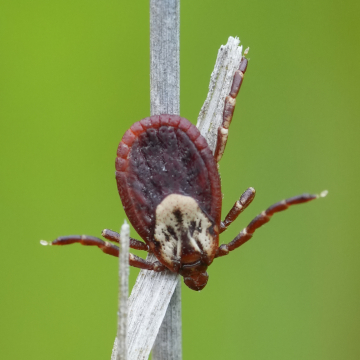
Identifying a Lone Star Tick
The Lone Star tick gets its name from the distinctive white dot or “lone star” found on the back of adult female ticks. Males do not have the same prominent marking but are generally brown with lighter streaks along their backs.
These ticks are commonly found throughout Tennessee and are known for actively seeking out hosts rather than simply waiting for one to pass by.
What Should You Do Immediately After a Tick Bite?
If you find a tick attached to your skin:
- Remove It Carefully – Use fine-tipped tweezers to grasp the tick as close to the skin as possible. Pull upward with steady, even pressure until the tick releases.
- Avoid:
- Twisting the tick
- Crushing the tick
- Applying petroleum jelly, nail polish, or heat
- Avoid:
These methods may increase the chance of irritation or disease transmission.
- Clean the Area – After removing the tick, wash the bite area thoroughly with soap and water. You can also apply rubbing alcohol or an antiseptic.
- Monitor for Symptoms – Most tick bites cause mild redness and irritation. However, some symptoms may develop days or even weeks later.
Common Reactions to a Lone Star Tick Bite
For many people, the bite causes:
- Mild redness
- Itching
- Swelling around the bite site
- Temporary discomfort
These reactions often resolve on their own within a few days.
However, some individuals may experience more serious complications.
Can Lone Star Ticks Make You Sick?
Yes. Lone Star ticks can transmit several illnesses and health conditions.
Ehrlichiosis
One of the most common diseases associated with Lone Star ticks is ehrlichiosis.
Symptoms may include:
- Fever
- Chills
- Fatigue
- Muscle aches
- Headaches
- Nausea
If left untreated, ehrlichiosis can become serious and may require medical attention.
Alpha-gal Syndrome
Perhaps the most unusual condition associated with Lone Star ticks is Alpha-gal Syndrome.
This condition can cause an allergic reaction to red meat and other mammal-derived products after a tick bite. Some people develop symptoms weeks or months after being bitten.
Potential reactions include:
- Hives
- Stomach pain
- Nausea
- Difficulty breathing
- Severe allergic reactions
For some individuals, this allergy can significantly impact daily life and dietary choices.
Other Tick-Borne Illnesses
Lone Star ticks have also been linked to tularemia and several emerging diseases that researchers continue to study.
How Long Should You Watch for Symptoms?
Health experts recommend monitoring your health for at least 30 days after a tick bite.
Contact a healthcare provider if you experience:
- Fever
- Rash
- Persistent fatigue
- Muscle or joint pain
- Severe headaches
- Flu-like symptoms
Early diagnosis and treatment can significantly improve outcomes for many tick-borne illnesses.
Why Are Lone Star Tick Bites Becoming More Common?
Lone Star tick populations have expanded rapidly throughout Middle Tennessee over the past several years.
Several factors contribute to their growth, including:
- Mild winters
- Long warm seasons
- Increased deer populations
- Expanding suburban development near wooded areas
As a result, homeowners are encountering ticks more frequently in their own yards, parks, walking trails, and recreational areas.
The Best Protection Is Prevention
Because tick bites can lead to serious health concerns, prevention is critical.
Homeowners should:
- Keep grass trimmed
- Remove leaf litter and brush
- Reduce wildlife attractants
- Check family members and pets after spending time outdoors
- Consider professional tick control treatments
The sooner tick populations are addressed, the easier they are to manage.
Protect Your Property With Ameri Care Services
If you’ve noticed increased tick activity around your home, you’re not alone. Lone Star ticks are becoming more common throughout Middle Tennessee, making professional prevention more important than ever.
At Ameri Care Services, we provide targeted tick control treatments designed to reduce tick populations and help protect your family, pets, and outdoor spaces.
Contact Ameri Care Services today to learn how our pest management solutions can help you enjoy your yard without worrying about unwanted pests and dangerous tick bites.