
 Nashville, Murfreesboro, Knoxville and Chattanooga TN
Termites can cause significant damage to a home long before homeowners realize there’s a problem. Unlike many household pests, termites often remain hidden while feeding on wood and other cellulose-based materials, making early detection and prevention especially important.
For Tennessee homeowners, termite protection should be a priority whether you’re purchasing an existing property, building a new home, or maintaining a house you’ve owned for years.
Two important options to understand are termite inspection warranties and termite pretreatment programs. While these services serve different purposes, both can play a role in protecting your property against costly termite damage.
At Ameri Care Services Pest Control, we understand the importance of making informed decisions about termite prevention. Here’s what homeowners, buyers, and builders in Nashville, Murfreesboro, Knoxville, Chattanooga, and surrounding Tennessee communities should know.
Why Termite Protection Is Important in Tennessee
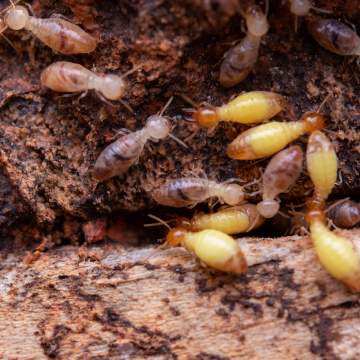
Tennessee’s climate creates favorable conditions for subterranean termites, one of the most common types of termites affecting homes throughout the state.
These insects live in underground colonies and travel through soil or protective mud tubes to reach wood and other materials containing cellulose.
Because termites often work behind walls, beneath flooring, or within structural components, infestations can continue for extended periods without obvious warning signs.
Common indicators of termite activity include:
- Mud tubes along foundations or crawl space walls
- Wood that sounds hollow or appears damaged
- Discarded wings near windows or entryways
- Swarms of winged termites, particularly during warmer months
- Unexplained damage to wooden structural materials
Termite damage can be expensive to repair, and standard homeowners insurance policies generally exclude damage caused by termites.
This makes proactive termite inspections and preventive protection especially valuable.
What Is a Termite Inspection Warranty?
A termite inspection warranty is a form of termite-related protection associated with an inspection or ongoing termite service agreement.
However, the term termite warranty can refer to different types of agreements, and coverage varies significantly between pest control providers.
Some agreements include periodic inspections, while others may offer retreatment if termite activity is discovered during the coverage period.
Certain termite protection contracts may also include provisions related to termite damage repairs, subject to specific limitations and exclusions.
A termite inspection alone does not automatically provide a warranty or guarantee against future termite activity.
That’s why it’s important to review the written terms before purchasing or renewing any termite protection agreement.
What Should You Look for in a Termite Warranty?
Before selecting a termite protection program, homeowners should understand exactly what the agreement includes.
Important questions to ask include:
- Does the agreement provide annual or periodic termite inspections?
- Is retreatment included if termite activity is discovered?
- Does the warranty cover damage repairs, or only additional treatment?
- Are there renewal fees or ongoing service requirements?
- Are certain areas of the property excluded from coverage?
- Is the agreement transferable if the home is sold?
- What conditions could cause the warranty to become invalid?
Understanding these details can help homeowners avoid confusion if termite activity is discovered later.
Why Regular Termite Inspections Matter
One of the challenges of termite infestations is that visible evidence may not appear until damage has already occurred.
A professional termite inspection helps identify accessible signs of activity and conditions that may increase the likelihood of an infestation.
During an inspection, a technician may examine areas such as foundations, crawl spaces, accessible structural wood, and other locations where termite activity is commonly found.
The inspection may also identify moisture problems, wood-to-soil contact, or other conditions that make a property more vulnerable.
Although no inspection can guarantee the absence of hidden termites, regular evaluations can help homeowners recognize potential concerns earlier.
For homes with existing termite protection agreements, scheduled inspections may also be necessary to maintain coverage.
What Is a Termite Pretreatment Program?
A termite pretreatment program is designed to help protect a building against subterranean termites before or during construction.
Rather than waiting until a completed structure develops an infestation, pretreatment focuses on establishing protection at specific stages of the building process.
This approach is especially relevant for new residential construction in Tennessee.
Depending on the treatment method and construction requirements, termite pretreatment may involve applying an approved termiticide to designated soil areas before concrete slabs or other structural components are installed.
Other approved termite protection systems may also be available, depending on the project and applicable requirements.
The goal is to reduce the likelihood of termites gaining access to the structure after construction is completed.
Why Is Pretreatment Important for New Construction?
During construction, portions of a building’s foundation and underlying soil are accessible in ways they won’t be once the project is finished.
This creates an opportunity to address termite risks before certain structural elements are permanently installed.
A properly planned pretreatment program can provide several benefits:
- Early protection: Termite prevention measures are incorporated into the construction process rather than postponed until a problem develops.
- Access to critical areas: Certain soil treatment locations are easier to reach before concrete and other building materials are installed.
- Coordination with construction: Treatment can be scheduled around important building milestones.
- Long-term prevention planning: Builders and homeowners can establish a termite management strategy before the property is occupied.
Pretreatment does not make a building permanently termite-proof. Ongoing inspections, proper maintenance, and any required follow-up protection remain important.
When Should Termite Pretreatment Be Scheduled?
Timing is one of the most important parts of a termite pretreatment program.
For new construction, treatment typically needs to be coordinated with the builder or contractor before specific construction stages are completed.
For example, soil treatments may be performed before a slab is poured, with additional applications required at other stages depending on the approved treatment method and building design.
Scheduling too late can limit access to areas that would otherwise be treated during construction.
Homeowners planning to build a house should discuss termite prevention early in the construction process.
Builders should also verify that termite protection measures meet applicable building codes, product labeling requirements, and local construction specifications.
Termite Inspection Warranties vs. Pretreatment Programs: What’s the Difference?
Although both options relate to termite protection, they address different needs.
| Termite Inspection Warranty | Termite Pretreatment Program |
| Associated with inspection or ongoing protection agreements | Performed during specified construction stages |
| May include inspections and retreatment coverage | Focuses on preventing termite entry into new structures |
| Coverage depends on written contract terms | Methods depend on construction and treatment requirements |
| Relevant to existing homes and some new homes | Primarily relevant to new construction |
| May require renewal or continued maintenance | May be followed by ongoing termite protection |
For homeowners purchasing newly constructed properties, both may be relevant.
A home may receive termite pretreatment during construction and later be covered by a separate termite service agreement or warranty.
However, pretreatment does not automatically mean the homeowner has a transferable or renewable warranty.
Always request documentation explaining which treatments were performed and what coverage, if any, remains in effect.
What Should Homebuyers Know About Termite Inspections?
Buying a home is a major investment, and termite concerns should be part of the property evaluation process.
A termite inspection can provide valuable information about visible evidence of wood-destroying organisms and conditions that may contribute to future activity.
Depending on the transaction and lender requirements, buyers may need a formal wood-destroying insect inspection report.
These reports are different from a general home inspection and should be completed by an appropriately qualified professional.
If termite activity or damage is identified, buyers should review the findings carefully and determine whether additional treatment, repairs, or evaluations are necessary.
For homes with existing termite protection agreements, buyers should ask whether the coverage can be transferred and whether any fees or inspections are required.
How Can Homeowners Reduce Their Risk of Termite Infestations?
Professional termite protection is important, but routine property maintenance also plays a role in reducing termite risks.
Homeowners can take several preventive steps.
Address Moisture Around the Foundation
Subterranean termites depend on moisture to survive.
Repair plumbing leaks, maintain gutters, and make sure drainage systems direct water away from the house.
Persistent crawl space moisture should also be evaluated.
Reduce Wood-to-Soil Contact
Wooden materials that directly contact soil can create favorable conditions for termite activity.
Avoid storing firewood against the foundation, and address unnecessary wood debris around the property.
Monitor Changes in Wood and Structural Materials
Pay attention to unusual wood damage, mud tubes, and other potential signs of termites.
Because termite activity can remain hidden, suspicious findings should be evaluated by a professional.
Schedule Periodic Inspections
Regular termite inspections can help identify visible activity and conditions that require attention.
For homeowners with existing termite agreements, maintaining the required inspection and renewal schedule is also important.
Are Termite Warranties Worth It for Tennessee Homeowners?
A termite warranty may provide value for homeowners who want ongoing inspections, retreatment provisions, or other forms of protection.
However, the value depends on the specific coverage offered.
A retreatment-only agreement is different from a contract that includes qualified termite damage repairs.
Likewise, a warranty requiring annual renewal may offer different benefits than a one-time inspection.
Homeowners should compare coverage details, exclusions, renewal requirements, and service costs before making a decision.
The best termite protection strategy depends on the age of the property, construction type, history of termite activity, and existing treatment documentation.
Protect Your Investment With Ameri Care Services Pest Control
Termites can threaten one of your most valuable investments, and waiting until visible damage appears can lead to unnecessary complications.
Whether you’re purchasing a home, planning new construction, or reviewing your current termite protection, understanding the difference between inspection warranties and pretreatment programs is an important first step.
At Ameri Care Services Pest Control, we help Tennessee property owners explore their termite concerns and understand the importance of preventive pest management.
We serve Nashville, Murfreesboro, Knoxville, Chattanooga, and surrounding Tennessee communities.
Have questions about termite inspections, warranty options, or pretreatment for a new construction project? Call Ameri Care Services Pest Control at (615) 893-7111 to discuss your property’s termite protection needs.